

In today’s fast-paced digital world, abbreviations, slang, and shortened phrases have become an essential part of online communication. One expression that frequently appears in messages, comments, and social media conversations is Ima Mean in Text.
Many people encounter this term while chatting online and wonder what it actually means. Since it is not considered standard English, it can sometimes confuse users who are unfamiliar with modern internet slang, texting abbreviations, and online messaging culture.
The popularity of Ima Mean in Text comes from the growing preference for quick and effortless communication. Instead of typing complete phrases, people often use shortened expressions that save time while maintaining the intended meaning.
You will commonly find this phrase on WhatsApp, Instagram, TikTok, Snapchat, gaming platforms, and text messages 📱. It is especially popular among younger users who prefer informal and conversational language.
Understanding Ima Mean in Text can help you communicate more naturally online, interpret messages correctly, and avoid confusion in digital conversations.
This article explores the meaning, background, usage, and practical examples of Ima Mean in Text, helping you understand how it is used across different platforms and situations. 😊
Meaning & Definition
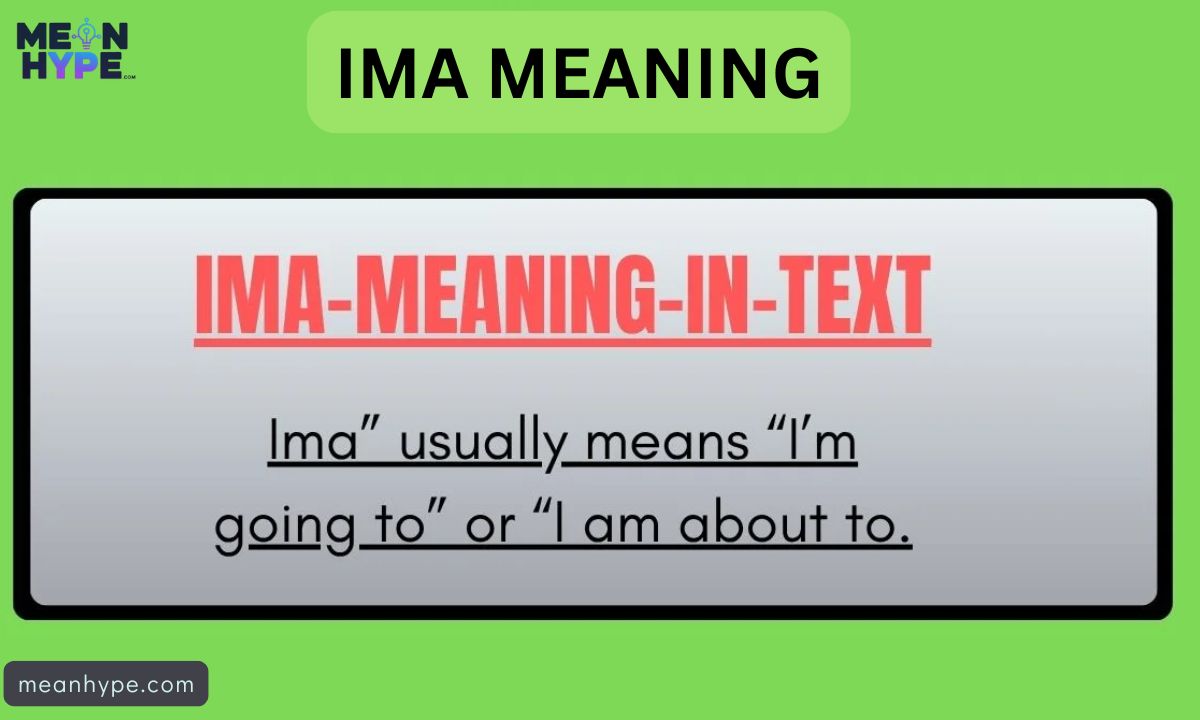
The phrase Ima Mean in Text most commonly refers to the informal expression “I am going to.” It is used when someone wants to talk about a future action, intention, or plan.
This expression developed from spoken English, where people often pronounce “I am going to” very quickly. When spoken aloud, the phrase can sound like “I’mma” or “ima,” and over time, this pronunciation became common in written digital conversations as well
Instead of writing the complete phrase, users simply write “ima” because it is shorter, faster, and more conversational.
For example:
- 📱 “Ima call you later.”
This means:
- 📞 “I am going to call you later.”
Similarly:
- 🍕 “Ima grab some food.”
Means:
- 🍔 “I am going to grab some food.”
The reason Ima Mean in Text has become so common is that it reflects natural speech patterns. When people say “I am going to” quickly in conversation, it often sounds like “ima” or “I’mma.”
In modern digital communication, social media language, and online conversations, it is commonly used to express:
- ✅ plans
- ✅ Upcoming actions
- ✅ Intentions
- ✅ Immediate decisions
- Example:
“Ima finish this project tonight.” 📚
Background
The history of Ima Mean in Text is closely linked to the rise of texting culture and social media communication. Before smartphones became common, people already shortened phrases during everyday speech. When spoken quickly, “I am going to” naturally sounded like “ima.”
As text messaging became popular, users began shortening words and phrases to save time and effort. This trend led to the growth of expressions such as gonna, wanna, gotta, and eventually “ima.”
The popularity of messaging apps and social networking platforms further accelerated its usage. Social media users preferred casual language because it felt more personal and natural than formal writing.
Music and entertainment culture also played an important role. Many song lyrics, online creators, influencers, and internet personalities regularly use expressions similar to “ima,” helping spread the term across different countries and cultures. 🎵
Today, “ima” is understood by a large percentage of internet users and remains a common feature of modern online communication.
- Example:
“Ima be there in ten minutes.” ⏰
Usage in Different Contexts
The use of Ima Mean in Text varies depending on the situation, although the core meaning usually remains the same.
In casual conversations, it is commonly used when discussing future actions or plans. Friends often use it while chatting because it sounds natural and relaxed.
On social media, users include it in captions, comments, and status updates to make their posts feel more authentic and conversational.
In gaming communities 🎮, players often use “ima” to quickly communicate their intentions during gameplay.
However, in professional environments, the expression is usually considered inappropriate. Employers, clients, and colleagues generally expect complete sentences and proper grammar in official communication. Using slang in such situations may create an unprofessional impression.
The context of the conversation plays a major role in determining whether the expression is appropriate.
- Example:
“Ima watch the new movie tonight.” 🎬
Meaning in Chat, WhatsApp, Instagram, TikTok
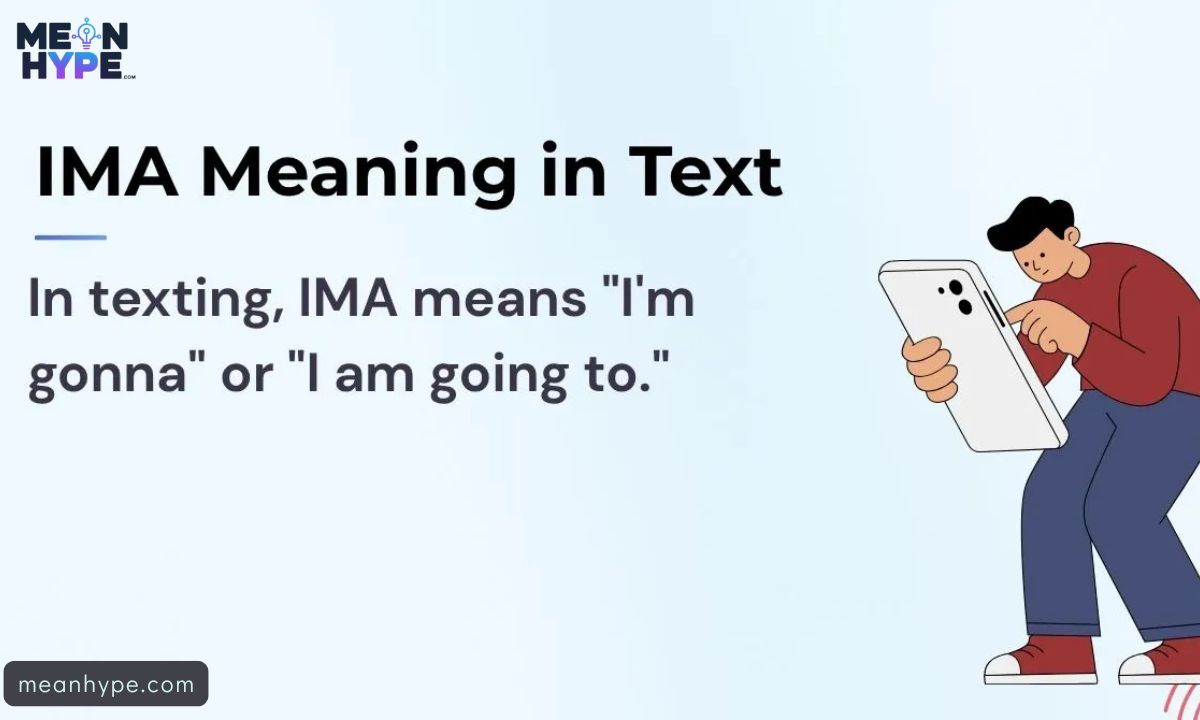
On messaging apps and social media platforms, Ima Mean in Text is widely used because conversations tend to be informal and fast-paced.
On WhatsApp, people often use it while discussing plans with friends or family.
- Example:
- 📲 “Ima call you after dinner.”
On Instagram, it frequently appears in captions and comments.
- Example:
- 📸 “Ima post more pictures tomorrow.”
On TikTok, creators use it in captions, text overlays, and comments because it sounds casual and relatable.
- Example:
- 🎥 “Ima try this challenge 😂”
Across these platforms, the meaning remains consistent and generally refers to something the speaker plans to do soon.
Regardless of the platform, the meaning remains consistent and generally refers to a future action or intention.
Meaning in Physics, Medical, and Aircraft Terminology
While Ima Mean in Text is commonly used as internet slang, the uppercase abbreviation “IMA” can have completely different meanings in technical fields.
In physics, IMA often stands for Ideal Mechanical Advantage, which measures the theoretical efficiency of a machine. ⚙️
In the medical field, IMA may refer to the Internal Mammary Artery, an important artery frequently discussed during cardiac procedures. 🏥
In aviation, IMA can represent technical systems, organizations, or operational references depending on the context. ✈️
These meanings are unrelated to the texting slang version and are usually written in uppercase letters to avoid confusion.
- Example:
“The engineer calculated the machine’s IMA value.”
Common Misconceptions
There are several misunderstandings about Ima Mean in Text.
Many people mistakenly believe:
- ❌ It is a formal English word.
- ❌ It is grammatically correct in professional writing.
- ❌ It means the same thing as “I’m.”
- ❌ It should be used in academic assignments.
The reality is that “ima” is simply an informal slang expression designed for casual communication.
Understanding this helps prevent inappropriate use in formal situations.
- Example:
“Ima attend the meeting” may be acceptable in a text message but not in a business email.
Similar Terms & Alternatives
Several expressions carry meanings similar to Ima Mean in Text and are commonly used in casual communication.
Some popular alternatives include:
- Gonna – Going to
- Wanna – Want to
- About to – Preparing to do something
- Planning to – Intending to do something
- Going to – Standard English version
These alternatives may be more appropriate depending on the audience and level of formality.
- Example:
“I’m gonna watch a football match tonight.” ⚽
How to Respond to It
Responding to Ima Mean in Text depends on the context of the conversation.
- If someone says:📱 “Ima call you later.”
- You can reply:☎️ “Sounds good!”
- If someone says:📱 “Ima leave now.”
- You can respond:👋 “Take care!”
If someone mentions a plan, asking a follow-up question can help continue the conversation naturally.
- Example:
Person: “Ima try that new restaurant tonight.” 🍕
Response: “Nice! Let me know how the food is.”
Differences from Similar Words
Although “ima” is often compared with similar slang expressions, there are important differences.
I’m refers to a current state.
- Example:
- 😊 “I’m happy.”
Gonna expresses future intention but usually follows a subject.
- Example:
- 🏃 “I’m gonna leave.”
Ima combines both the subject and future intention into one informal phrase.
- Example:
- 🚶 “Ima leave now.”
This makes it especially useful in quick online conversations.
Relevance in Online Conversations & Dating Apps
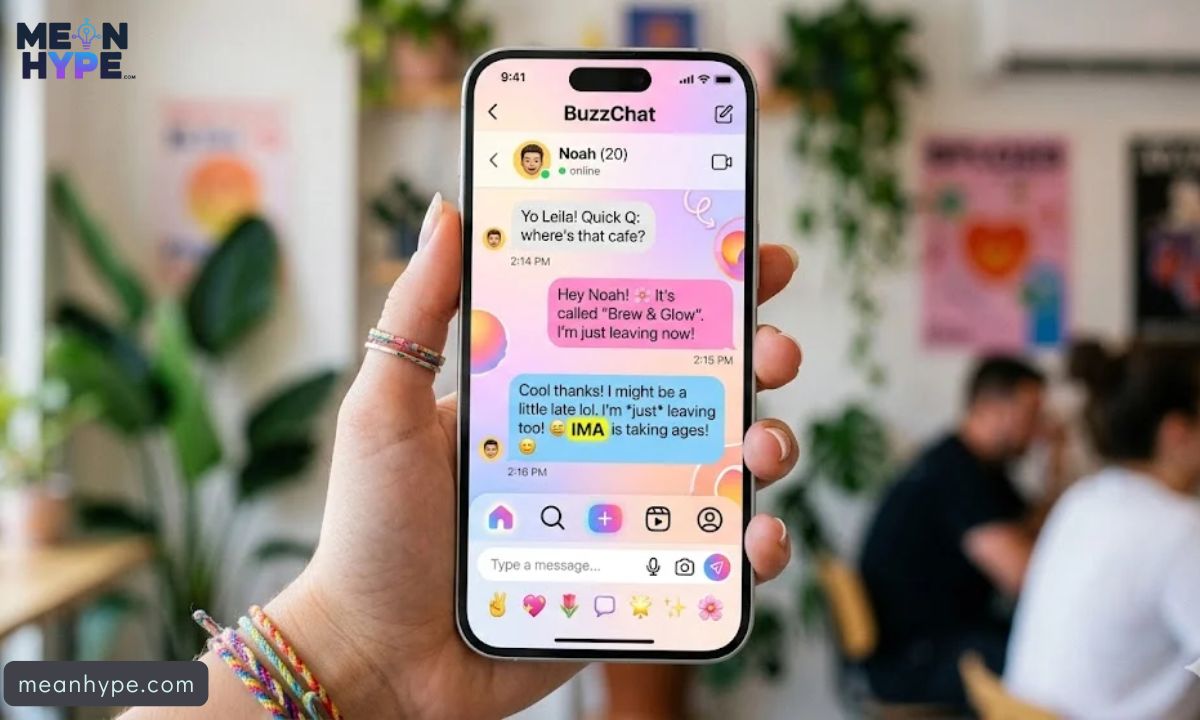
The popularity of Ima Mean in Text continues to grow because online communication values speed, convenience, and authenticity.
In online conversations, using “ima” often makes messages feel more friendly and approachable. It helps users sound relaxed rather than overly formal.
On dating apps ❤️, casual language often feels more natural.
- For example:
- ☕ “Ima grab coffee later. Want to come?”
This sounds more conversational than a fully formal sentence.
However, users should still consider their audience because excessive slang can sometimes create misunderstandings.
- Example:
“Ima text you when I get home.” 🏠
Conclusion
Ima Mean in Text is a popular internet slang expression that means “I am going to.” It is widely used in texting, social media, online chats, and everyday digital communication to express plans and intentions.
Its popularity comes from the desire for faster and more natural conversations in today’s digital world. While it works perfectly in casual settings, it is generally not suitable for professional or academic communication.
By understanding the meaning, background, and usage of Ima Mean in Text, you can confidently interpret messages and communicate more effectively online.
As internet language continues to evolve, expressions like “ima” remain an important part of modern digital culture and everyday online interactions. 😊
Ston is the founder and author of MeanHype, a website dedicated to explaining meanings, definitions, slang terms, phrases, abbreviations, and modern internet language in a simple and easy-to-understand way. With a passion for language and digital culture, Ston creates helpful content that makes complex or trending terms clear for readers around the world.